
Martinez / Time on the Tri-Ethnic Committee
sign up or sign in to add/edit transcript
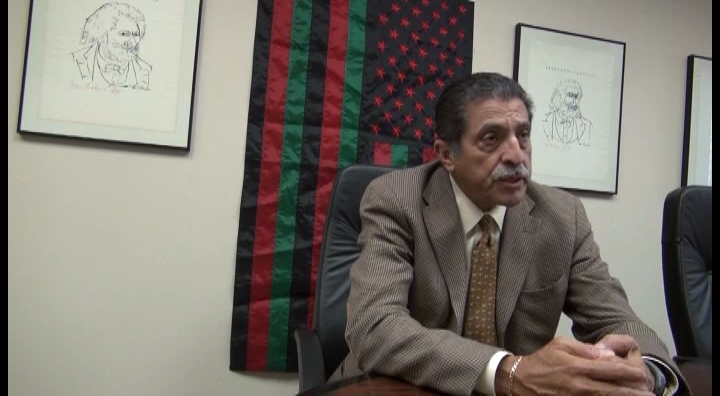
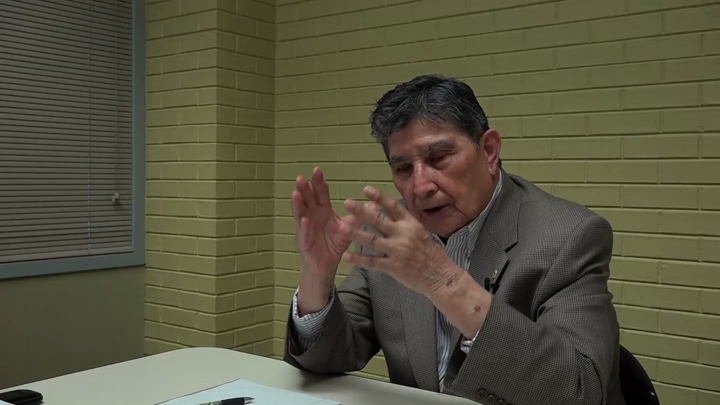
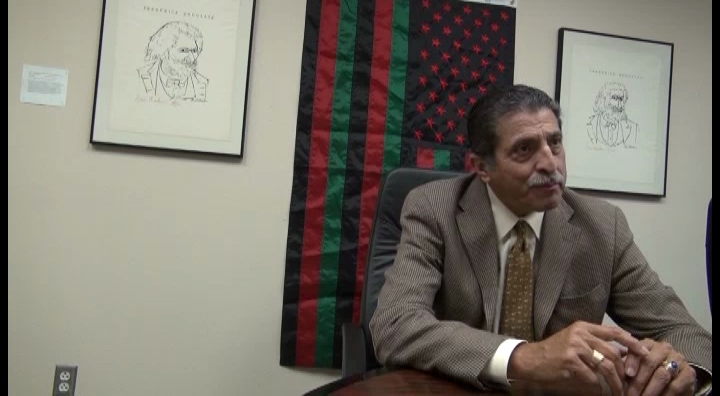
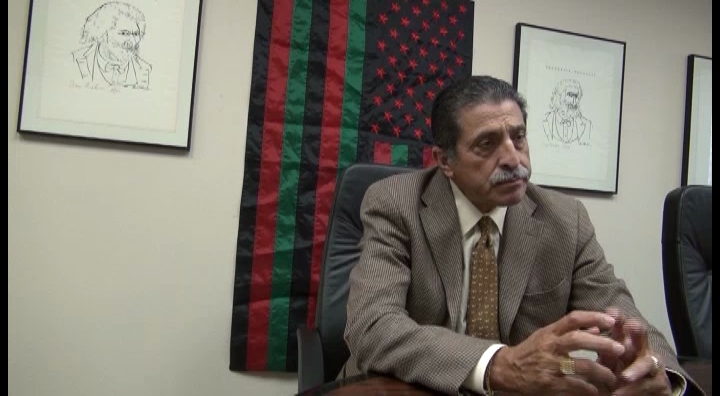
Mr. Martinez-Much later after I got out of SMU, I visioned racial tension [?] in the early 70s, isolated pockets of African Americans and Hispanics and that's why I decided to coach African American kids and I coached them soccor, I take the credit for introducing soccor to the African American community in 1970 in West Dallas, West Club. I didn't do it just to introduce soccor, I did it so that the kids could see me as a potential role model-as someone that was different, someone that could teach them lessons of being able to get along with others that looked like me and I still have contact with some of those young men in West Dallas Boys Club. By the way, we won the Dallas Championship in soccor in West Dallas, but I did it for that reason, be able to teach and simulate some positive things in their lives. I also sought conditions in West Dallas [?] high school, which was not good, of course, the whole construction itself in history, you know, the school on top of the [?] was not a really good site, but that's the old Dallas, that was part of the stair step plan, we build a school for blacks and later Mexican American blacks that had no athletic sources and, that got me exposed to the things that I later did with my first boss and he was [?], he was African American, his name was Randy [?]. Randy [?] was like a second father to me, a mentor, and worked with the Meaning Relationship Commission and I got involved with a lot of issues dealing with racial issues in schools and a court order-singleton issues of teachers and the Tri-Ethnic committee-gotta get a point to get on the Tri-Ethnic Committee and my second exposure was at that time State Representative Zahn Holmes-who, at that time, who became the chairman of the Tri-Ethnic Committee and I remembered vividly I met Zahn and he took me aside twenty-four, twenty-five years old. Zahn was in his thirties and he always called me Renay, he said, "Renay, we are going to be very very much in the public eye with this Tri-Ethnic Committee cause we were branded as a super school board, he says, "You represent a segment of the community and I represent a segment of the community and I think it would be good for both of us if we come publicly on the issues that we agree with each other, we may disagree personally behind the scenes, but when we come publicly, its going to have major impact on how the community perceives us" and thats the lesson I learned, back in 1971 from Zahn Holmes. Zahn later became my pastor
| Interview | Interview with Rene Martinez |
| Subjects | Race Relations › Black-Brown Race Relations |
| Education › Educational Buildings and Physical Environment | |
| Education › Secondary Education | |
| Historic Periods › 1970s [Exact Date Unknown] | |
| Religion › Church Leadership | |
| Family › Parents | |
| Electoral Politics › Black Elected Officials | |
| Tags | Southern Methodist University (SMU) |
| West Dallas Boys Club, Dallas, TX | |
| L.G. Pinkston High School, Dallas, TX | |
| Ratliff, Randy | |
| Community Race Relations, Dallas, TX | |
| Tri-Ethnic Committee | |
| Holmes, Zan | |
| sign up or sign in to add/edit tags | |
| Interview date | 2011-09-07 |
| Interview source | Documenting the History of the Civil Rights Movement in Dallas County |
| Interviewees | Martinez, Rene |
| Interviewers | Dulaney, W. Marvin |
| Thomas, Alfred | |
| Locations | Dallas, TX |
| Duration | 00:03:44 |
| Citation | "Time on the Tri-Ethnic Committee," from Rene Martinez oral history interview with W. Marvin Dulaney and Alfred Thomas, September 07, 2011, Dallas, TX, Civil Rights in Black and Brown Interview Database, https://crbb.tcu.edu/clips/6089/time-on-the-tri-ethnic-committee, accessed October 15, 2026 |